Healing the Divides: Women’s Leadership in Climate and Conflict Vulnerable Areas
Climate change is a threat multiplier in crisis contexts, amplifying pressures that undermine peace and security. Climate variabilities like droughts, floods together with depreciating natural resources presenting itself in various ways including land degradation and shrinking biodiversity, continue to strain food systems and livelihoods while increasing risk of conflict.
In counties already affected by conflict, such climate variabilities and depreciating natural resources are deepening poverty, weakening institutions and making recovery difficult, creating a vicious cycle where climate stress and insecurity reinforce each other.
In such circumstances, women face greater risks because they rely more on climate-sensitive livelihoods for their daily gender roles while having limited access to and control of resources and decision-making spaces. As climate pressures and insecurity disrupt traditional livelihoods, men migrate in search of income or safety and survival, leaving behind women to assume expanded economic and social responsibilities, but without corresponding rights or protection.
The collapse of livelihoods and disruption family and community structures due to displacements often expose women to a greater risk of domestic and sexual violence, early marriage and other forms of exploitation. Yet, these same shifts are opening spaces for women’s leadership, as they step forward to restore degraded ecosystems, rebuild livelihoods and strengthen social cohesion for more resilient communities.
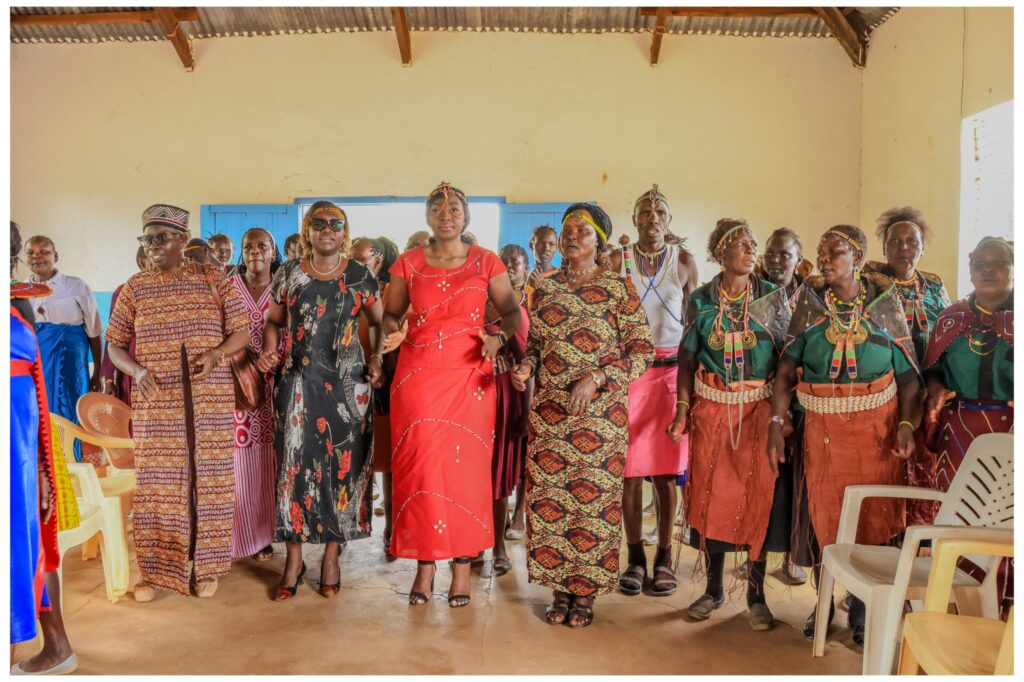
In Baringo County, recurrent droughts, prolonged dry spells, and shrinking grazing lands have fueled resource-based tensions between the two pastoralist communities of Ilchamus and Pokot and have led to loss of lives and livelihood. As this happens, women from the Ilchamus and Pokot have chosen reconciliation over retaliation. For two months, they fasted and prayed together, each secretly interceding for another woman across community lines.
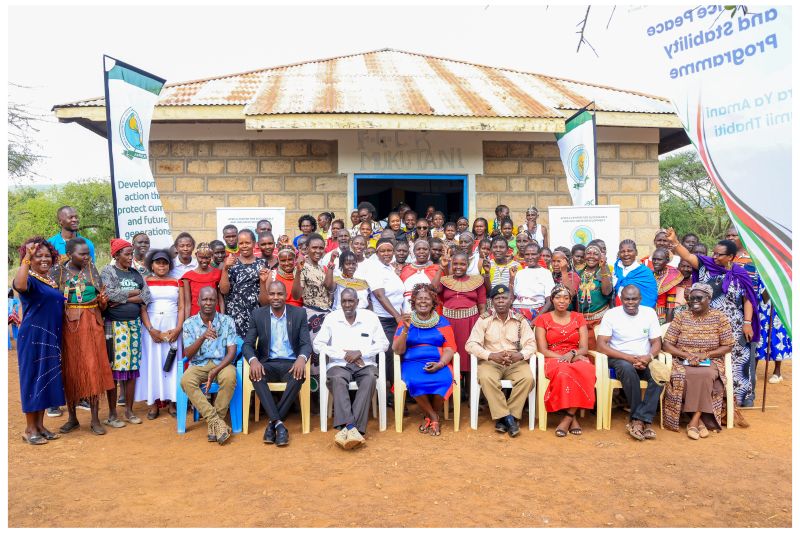
This commitment culminated in a symbolic gifting ceremony, where prayer partners were revealed and gifts such as mattresses, shukas, flasks were exchanged as tokens of solidarity, carrying far more weight than their material value. This ritual, rooted in faith and trust, has nurtured friendships among the women and inspired men and local leaders to resist cycles of violence. Africa CSID appreciates the opportunity to be part of this process.
On the shores of Lake Victoria, women in fishing communities face a different but equally devastating challenge. Through dialogues facilitated by Africa CSID, women shared firsthand accounts of the complex and often devastating impacts of dwindling fish stocks and resource-based conflicts on their lives and livelihoods. Yet, beyond these challenges, the dialogues also revealed the remarkable agency of women, who continue to emerge as leaders and peace-builders within their communities.
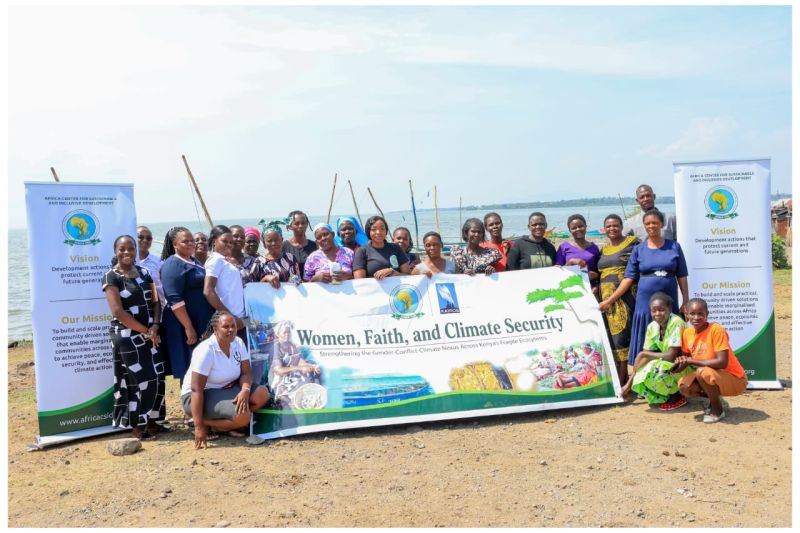
At Lwanda Beach in Mbita, declining fish stocks and encroachment disputes have escalated into violent clashes between Lwanda Beach community and their neighbors from Uyoma, leaving injuries, loss of life, and deep scars on livelihoods. Amid this turmoil, women are stepping forward as peace brokers, working towards organizing dialogues and advocating for reconciliation in the face of pressures that have fueled mental health struggles and a troubling rise in gender-based violence.
In Muhuru Bay, Migori County, the tri-border with Uganda and Tanzania has become a flashpoint with fishermen enduring harassment from patrol officers, confiscation of their catch, and denial of access to fishing grounds. Many return home empty-handed, unable to provide for their families forcing women to bear the brunt of this economic strain while others lose their lives to the violence resulting from disputed water borders and dwindling fish stocks. The women such as those from Kogunda Ladies Group continue to mobilize a call for stronger government action and bilateral cooperation.
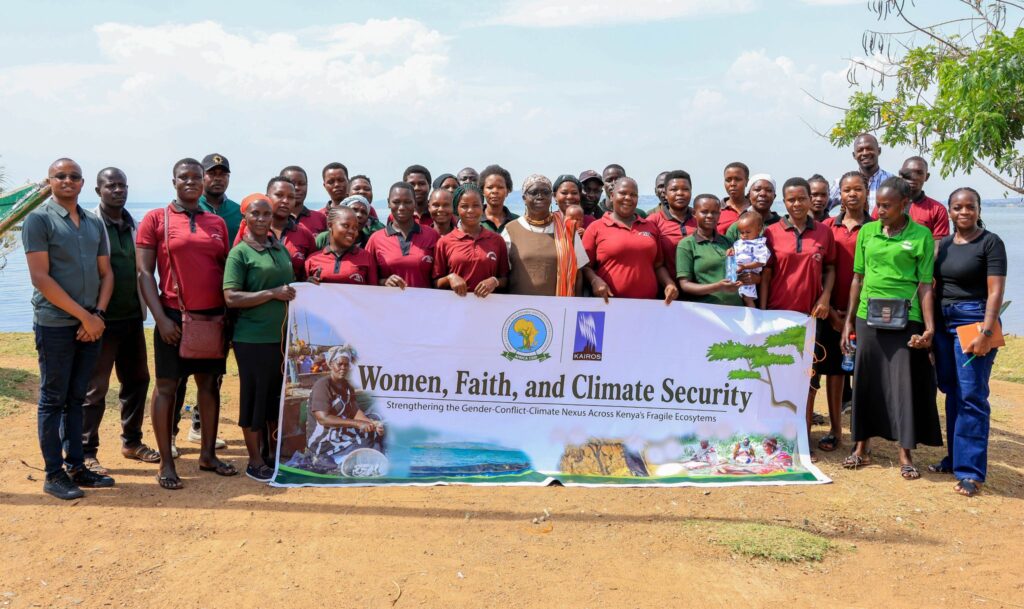
What binds these stories across the three counties is not just the challenges faced, but most importantly, the indispensable role women play in transforming conflict into coexistence. From prayer cycles in Baringo to peace dialogues at Lwanda Beach and reconciliation advocacy in Muhuru Bay, women emerge not as passive victims of climate insecurity but as architects of resilience, shaping reconciliation, fostering trust, and building community-led pathways toward lasting peace.